Purley Way Commercial Cleaning for Retail Parks
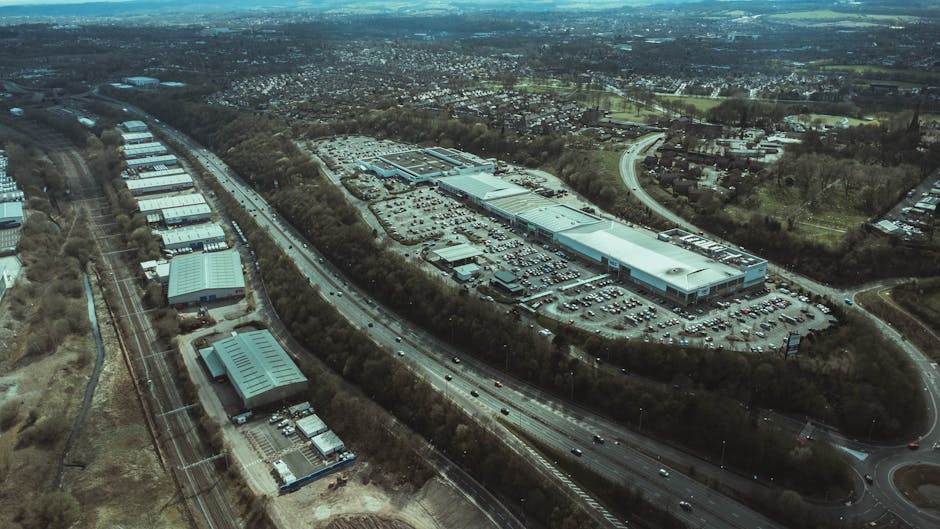
Retail parks on Purley Way have a very particular cleaning challenge. They need to look sharp early in the morning, cope with heavy footfall all day, and still feel presentable when the weather turns messy by 4pm. That means Purley Way Commercial Cleaning for Retail Parks is not just about "keeping things tidy"; it is about protecting first impressions, reducing slip risks, supporting tenants, and keeping shared spaces usable without interrupting trade.
In practice, that can mean a mix of daily upkeep, scheduled deep cleaning, hard floor care, window cleaning, washroom attention, litter control, and targeted stain removal. If you manage a retail park, oversee facilities, or coordinate multiple occupiers, this guide will help you understand what matters, how it works, and how to choose the right cleaning approach for a busy commercial site. Let's face it, retail parks are rarely gentle on floors. One rainy Friday and suddenly the entrance matting has had a day.
For broader service planning, many site managers also look at commercial cleaning support alongside specialist tasks such as commercial carpet cleaning, hard floor cleaning, and window cleaning. That mix usually gives the best balance between presentation and practicality.
Table of Contents
- Why Purley Way Commercial Cleaning for Retail Parks Matters
- How Purley Way Commercial Cleaning for Retail Parks Works
- Key Benefits and Practical Advantages
- Who This Is For and When It Makes Sense
- Step-by-Step Guidance
- Expert Tips for Better Results
- Common Mistakes to Avoid
- Tools, Resources and Recommendations
- Law, Compliance, Standards, or Best Practice
- Options, Methods, or Comparison Table
- Case Study or Real-World Example
- Practical Checklist
- Conclusion
- Frequently Asked Questions
Why Purley Way Commercial Cleaning for Retail Parks Matters
Retail parks are judged quickly. Customers pull in, glance around, park up, and decide within seconds whether a site feels well-run. Smudged glass, grubby entrances, overflowing bins, or streaked floors can quietly damage that judgement. Nobody usually says, "I'm not shopping there because the paving looked tired." They just choose somewhere else. That is the awkward truth of it.
A retail park also has more moving parts than a single shop. You have car parks, walkways, service yards, shared entrances, multiple unit fronts, and often high-traffic interiors around food, fashion, electrical, and homeware tenants. Each area picks up different dirt. Rainwater and tyre marks in one place. Fingerprints and dust in another. Spills, packaging, grit, and chewing gum elsewhere. Without a consistent cleaning routine, the whole site starts to look uneven.
There is also a safety angle. Slippery entrances, dirty spills, and neglected floor build-up can create avoidable hazards. In a busy retail setting, that matters because customers are distracted, staff are moving stock, and delivery traffic may be arriving at odd hours. Regular cleaning helps lower risk, but it also helps site teams spot issues earlier. A cleaner usually notices a loose floor edge, damaged matting, or a recurring leak long before it turns into a bigger headache.
For retail park managers, cleaning is also part of asset care. Floors last longer when grit is removed properly. Windows stay clearer when they are washed on a proper schedule. Facades and entrances hold their appearance better when grime is tackled before it becomes ingrained. That is why many sites choose a wider approach that may include deep cleaning, communal area cleaning, and even facade cleaning where building exteriors need attention.
How Purley Way Commercial Cleaning for Retail Parks Works
Good retail park cleaning is usually planned around activity, not just around a checklist. The best teams start by understanding what the site actually experiences during the week. Is there heavy morning footfall? Does one unit have greasy takeaway spillages nearby? Are there loading bays that track in soil, cardboard dust, or tyre marks? These details shape the cleaning plan.
A typical service may begin with a site walk-through. That helps identify high-traffic zones, sensitive surfaces, access restrictions, and cleaning windows that will not disturb traders. From there, the cleaning schedule is built around frequency and method. Some tasks are daily, such as litter picking, entrance care, and touchpoint wiping. Others are weekly or periodic, such as machine scrubbing, carpet extraction, or window work.
In many cases, commercial cleaning for retail parks uses a combination of:
- Routine maintenance cleaning for visible areas and touchpoints.
- Planned restorative cleaning for carpets, floors, and signage surfaces.
- Reactive cleaning for spills, incidents, or seasonal problems.
- Seasonal refresh work for winter grit, summer dust, or post-renovation mess.
Methods are matched to the material. Hard floors need the right scrubber, detergent, and drying control. Carpeted zones benefit from extraction or steam-based methods depending on the fibre and the level of soiling. Glass and cladding need streak-free technique. Entrance matting has to be cleaned carefully, because if it just gets pushed dirtier, it stops doing its job. Simple enough, but a lot of sites still get that wrong.
Many retail parks also rely on specialist add-ons where needed. For example, steam carpet cleaning can help refresh shared interior carpeted areas, while stain removal is useful for entrance marks, food spills, and stubborn spots that keep reappearing in the same zones. If upholstery or seating exists in communal areas, upholstery cleaning may also be part of the plan.
Key Benefits and Practical Advantages
The obvious benefit is presentation, but there is a lot more to it than looks. A well-cleaned retail park tends to feel calmer, more organised, and more trustworthy. That atmosphere affects how long people stay, how they move around the site, and whether tenants feel proud to be there.
Practical advantages include:
- Stronger first impressions at entrances, shopfronts, and car park walkways.
- Improved safety by reducing dirt, spill build-up, and slip hazards.
- Longer surface life for flooring, matting, glazing, and fittings.
- Better hygiene in shared touchpoint areas and customer-facing spaces.
- More consistent tenant experience across different units and public areas.
- Reduced reactive callouts because issues are spotted early.
There is also a commercial advantage that gets overlooked: cleaner sites are easier to lease and easier to retain. Retail occupiers do notice whether a landlord or managing agent keeps the common areas in shape. It is one of those background signals that says, "This place is looked after." And in retail, that matters a great deal.
Another subtle benefit is operational rhythm. When cleaning is properly scheduled, it creates predictability for tenants and facilities teams. Deliveries can be planned around it. High-traffic times can be avoided. Seasonal deep cleans can be booked before the site gets overwhelmed. You get fewer surprises, and fewer surprises are good. Every time.
If your site includes internal common zones, it may also make sense to look at regular cleaning for ongoing upkeep and one-off cleaning for busy periods, refurbishments, or pre-opening refreshes. For larger portfolios, the right combination can save time without cutting corners.
Who This Is For and When It Makes Sense
This kind of service is relevant to anyone responsible for keeping a retail park presentable, safe, and commercially attractive. That includes landlords, managing agents, facilities managers, site supervisors, and sometimes tenants who look after their own frontage but want support with shared areas.
It makes particular sense when you are dealing with:
- multiple occupiers with different opening hours
- heavy customer footfall and constant parking turnover
- wet weather tracking in grit, mud, and standing water
- shared entrances, lobbies, or mall-style walkways
- frequent food spillages or packaging waste
- high-value retail environments where appearance affects brand perception
Retail parks on or around busy corridors such as Purley Way can accumulate dirt surprisingly fast. Traffic, weather, and constant movement all add up. If you have ever walked into a site after a Saturday rush and thought, "That needs attention already," you are not imagining it. It probably does.
The service is also useful when the site is changing. Maybe a tenant has just fitted out a unit. Maybe there has been a partial refurbishment. Maybe a new season has started and footfall patterns have shifted. In those moments, a stronger cleaning plan can keep standards stable while the site settles. For post-project resets, some managers also use after builders cleaning before reopening a refurbished space.
Step-by-Step Guidance
If you are planning retail park cleaning properly, it helps to think in phases. A site that looks clean on day one can slide quickly if the process is not clear. Here is a sensible way to approach it.
- Survey the site. Walk the property at the times it is busiest. Look at entrances, pathways, internal shared areas, toilets if applicable, car park edges, and loading routes. Make note of the dirt that actually appears, not just the dirt you expect to see.
- Separate tasks by frequency. Daily tasks are different from weekly, monthly, and quarterly tasks. That distinction matters because it stops the cleaning plan becoming vague and too expensive.
- Match methods to surfaces. Carpets, vinyl, stone, sealed concrete, glass, and signage all need different care. Using the wrong approach can make things look worse, not better. It happens more often than people like to admit.
- Set cleaning windows. Agree access times, lock-up arrangements, alarm procedures, and who signs off completed work. Retail parks often need early-morning or late-evening work to avoid customer disruption.
- Build in response time. Spills and weather events do not wait for a schedule. Make sure there is a process for reactive cleaning and escalation.
- Review the finish. Check results against the original site priorities. Are the most visible areas getting the most care? Are any issues recurring? Adjust if needed.
A simple example: if a retail park entrance keeps getting blackened by shoe traffic in wet weather, the answer is not just "clean it harder." You may need better matting care, more frequent drying, or a change in cleaning method. That kind of practical adjustment is where experienced commercial cleaners earn their keep.
For surface-specific planning, site teams often pair this work with window cleaning for glazing and office cleaning for management spaces, back offices, or on-site admin areas.
Expert Tips for Better Results
If you want better results without overcomplicating the job, start with the areas people notice first. Entrances, glass, mats, flooring, and bin points usually shape the overall impression more than a hundred little hidden corners. Truth be told, a flawless back corridor does not impress customers nearly as much as a clean threshold.
Here are the tips that genuinely help:
- Protect entrance zones first. A good matting system and proper cleaning around it can cut down how much dirt gets dragged inside.
- Use the right chemistry. More detergent is not better. It can leave residue and attract more soil.
- Schedule around weather patterns. In the UK, that sounds obvious, but winter and autumn need more attention than a generic monthly plan.
- Keep cleaning notes. Recurring stains or repeated hotspots usually tell you something useful about the site.
- Do not neglect touchpoints. Handrails, push pads, handles, and lifts can age a site visually very quickly.
- Plan for appearance and hygiene together. A floor may look clean and still be dirty in the gaps or edges. That is where proper technique matters.
A small but useful habit is to ask for before-and-after notes on problem areas. Not because you need drama, just because it helps you spot whether the service is actually doing something. If the same patch near the trolley bay keeps returning, for example, you may need spot treatment plus a different cleaning frequency.
For retail park teams that want a more complete maintenance routine, combining hard floor cleaning with steam carpet cleaning and occasional stain removal usually gives a much better long-term finish than relying on surface wiping alone.
Common Mistakes to Avoid
Retail park cleaning fails for fairly predictable reasons. The frustrating part is that most of them are avoidable. A few small missteps can make the whole operation feel patchy.
- Cleaning only for appearances. If the plan ignores safety and durability, problems come back quickly.
- Setting the same frequency everywhere. The main entrance usually needs more attention than a quieter edge zone.
- Choosing the wrong method for the surface. Not every floor wants the same treatment. Some surfaces hate excess moisture.
- Skipping reactive response. Waiting until the next scheduled visit can leave spills and hazards in place too long.
- Failing to coordinate with tenants. A cleaner arriving at the wrong time is just disruptive. Nobody enjoys that phone call.
- Ignoring recurring problem spots. Reappearing dirt usually points to an underlying cause, not bad luck.
Another common issue is over-cleaning delicate finishes. Glossy surfaces, certain fixtures, and some floor coatings can be damaged by aggressive products or heavy scrubbing. Better to start gently and increase intervention only where needed. That sounds cautious because it is. In commercial work, cautious is often smart.
Also, do not let a cleaning plan become a paper exercise. If no one checks the standard on site, even the best schedule drifts. A quick walk-through after work often reveals more than a tidy checklist ever will.
Tools, Resources and Recommendations
The right tools make commercial cleaning faster, safer, and more consistent. For retail parks, the most useful equipment is usually chosen by surface type and traffic level rather than by brand or buzzwords.
| Area or Task | Useful Approach | Why It Helps |
|---|---|---|
| Entrances and walkways | Frequent sweeping, mopping, spill response, and mat cleaning | Controls dirt before it spreads inside |
| Hard floors | Machine scrubbing, appropriate neutral cleaning, and spot treatment | Removes traffic film and improves finish |
| Carpeted communal zones | Extraction or steam cleaning on a planned schedule | Refreshes appearance and lifts embedded soil |
| Glazing and shopfronts | Streak-free window cleaning | Improves daylight, visibility, and presentation |
| Shared touchpoints | Wipe-down and sanitising routine | Supports hygiene and a cared-for feel |
| Problem stains | Targeted stain removal | Prevents spots from becoming permanent eyesores |
From a planning point of view, the best resource is a clear site specification. It should say what gets cleaned, how often, by whom, and what counts as acceptable finish. That way, everyone is working to the same standard instead of guessing. Guesswork is the enemy of consistency. It always sneaks in.
If you are comparing service packages, it may also help to review pricing and quotes alongside operational requirements. Cost matters, of course, but the cheapest option is rarely the best if it misses key areas or creates more issues later.
Law, Compliance, Standards, or Best Practice
Retail park cleaning in the UK sits within ordinary commercial expectations around health and safety, risk management, and duty of care. The exact requirements depend on the site, the contract, and the activities involved, so it is sensible to treat compliance as a working process rather than a one-off document.
At a practical level, site operators usually need to think about:
- Slip risk control when floors are wet or recently cleaned.
- Safe chemical handling and correct dilution.
- Training and supervision for anyone using equipment or access tools.
- Insurance and access arrangements for working on occupied commercial sites.
- Waste handling and recycling practices where packaging, paper, and general waste are involved.
It is also wise to align cleaning plans with site-specific health and safety documents. That includes method statements, risk assessments, and lock-up procedures when work happens outside trading hours. If your provider has a clear health and safety policy and appropriate insurance and safety arrangements, that is a good sign they understand the realities of commercial work.
On sustainability, retail parks can often make modest but meaningful improvements by using better waste segregation, choosing effective cleaning methods that avoid unnecessary product use, and reducing repeat cleaning caused by poor technique. If environmental performance matters to your site, review the provider's recycling and sustainability approach and ask how they handle waste in day-to-day operations.
Best practice in this area is simple: clean safely, document clearly, and keep the site manager informed. That combination tends to prevent most avoidable problems before they start.
Options, Methods, or Comparison Table
There is no single cleaning method that suits every retail park. The best choice depends on traffic, flooring, and what the site needs to look like day to day. A good contractor will explain this without making it sound more complicated than it is.
| Method | Best For | Strengths | Limitations |
|---|---|---|---|
| Routine cleaning | Daily upkeep, litter, touchpoints, visible surfaces | Affordable, consistent, keeps site presentable | Won't solve ingrained build-up on its own |
| Deep cleaning | Periodic reset, heavy traffic, stubborn dirt | Restores neglected areas and lifts embedded soil | Needs planning and may take longer |
| Steam or extraction cleaning | Carpets and fabric-heavy shared areas | Excellent soil removal and fresher finish | Requires drying time and surface suitability checks |
| Targeted stain treatment | Spot marks, food spills, tracked dirt, scuffs | Fast response, very practical for problem areas | Not a substitute for regular maintenance |
| Hard floor machine cleaning | Retail park concourses, entrances, and shared floors | Strong visual result and better grip control | Needs the right machine and operator skill |
For many retail parks, the winning formula is not one method but a blend. A daily routine keeps things under control, a monthly or quarterly deep clean resets the site, and spot treatments handle the messy bits that arrive in between. That's the real world version. Neat theory, messy practice.
Case Study or Real-World Example
Here is a realistic example based on a common retail park setup. Imagine a Purley Way site with several occupiers, a main pedestrian entrance, glazed frontages, and a mix of tiled and carpeted interior areas. During wet months, the entrance begins to look dull by midweek. Floors show tracked-in grit, the glass gets fingerprinted fast, and a couple of recurring stains keep appearing near the same door.
The first step is not to send in more chemicals. It is to identify the pattern. The site manager and cleaning team agree on a tighter daily entrance routine, a scheduled window cleaning cycle, and a periodic floor refresh using suitable methods for the different surfaces. They also set a response process for spillages so the same marks are not left until the next visit.
Within a few weeks, the site feels more consistent. Not perfect, because no real site is ever perfect, but noticeably better. Entrances look brighter. Customers are less likely to track dirt into the common areas. Tenants stop reporting the same annoying marks every other day. Small improvements, yes, but they add up.
The main lesson is simple: good retail park cleaning is about pattern recognition and timing. Once you know where dirt enters, where it settles, and how quickly it returns, you can build a plan that actually works.
Practical Checklist
Use this as a quick pre-start or review checklist for retail park cleaning.
- Have you walked the site at a busy time and noted problem areas?
- Are entrances, matting, and walkways being prioritised?
- Do shared floors have the correct cleaning method for the surface type?
- Is there a plan for rain, grit, and seasonal tracking?
- Are bins, litter points, and service access routes included?
- Do glass and fascias have a realistic cleaning schedule?
- Is there a process for spill response between scheduled visits?
- Have safety, access, and insurance details been checked?
- Are recurring stains or dirt hotspots being recorded?
- Has the cleaning standard been reviewed with the site manager or tenant contact?
If you can tick most of those off, you are probably in good shape. If not, that is fine too. Better to spot the gaps early than pretend they do not exist.
For sites with mixed interiors, you may also want to consider communal area cleaning and carpet cleaning where different finishes need different maintenance styles.
Conclusion
Purley Way Commercial Cleaning for Retail Parks is ultimately about keeping a busy, high-visibility place working as it should. It protects first impressions, supports safety, extends the life of surfaces, and helps tenants feel that the site is cared for properly. The best results come from a balanced plan: routine cleaning for consistency, specialist methods for problem areas, and clear communication so nothing gets missed.
If you are responsible for a retail park, the smartest move is usually to review your current cleaning plan against how the site actually behaves day to day. Look at the entrances, the floors, the glass, the spill points, the weather impact, and the quiet frustrations that keep coming back. Then adjust with purpose. Small corrections can make a surprisingly big difference.
Get a free quote today and see how much you can save.
And if you are still weighing up the right approach, start with the areas customers notice first. That simple choice tends to pay off, quietly but reliably, week after week.
Frequently Asked Questions
What does Purley Way Commercial Cleaning for Retail Parks usually include?
It usually includes routine cleaning of entrances, walkways, shared interior areas, touchpoints, floors, glass, litter-prone zones, and any agreed specialist tasks such as carpet or hard floor care.
How often should a retail park be cleaned?
That depends on footfall, weather exposure, and the layout of the site. Busy entrances may need daily attention, while deeper restorative work might be scheduled weekly, monthly, or quarterly.
Is retail park cleaning different from office cleaning?
Yes. Offices are usually more controlled environments, while retail parks face heavier footfall, outdoor dirt, shopping trolleys, loading activity, and more public-facing surfaces.
Do retail parks need specialist floor cleaning?
Often, yes. Hard floors can dull quickly in high-traffic areas, and carpets in communal spaces can hold grit and staining. The right method depends on the material and level of wear.
Can cleaning be done outside trading hours?
Yes, and that is often the best option for busy retail parks. Early mornings, evenings, or quieter windows reduce disruption and make access easier.
What should I look for in a cleaning provider?
Look for practical experience with commercial sites, clear scheduling, sensible risk management, proper insurance, and a straightforward plan for recurring issues rather than vague promises.
How do you keep retail park entrances clean in wet weather?
Use a combination of frequent sweeping, targeted wet cleaning, mat maintenance, and quick response to tracked-in dirt. The key is to stop grime spreading from the entrance zone.
Is deep cleaning necessary if regular cleaning is already in place?
Usually yes, at intervals. Regular cleaning keeps the site presentable, but deep cleaning removes build-up that routine work cannot fully shift, especially in high-traffic areas.
What about windows and shopfront glass?
Glass is one of the fastest ways for a retail park to look tired if it is neglected. Scheduled window cleaning helps keep the whole site brighter and more welcoming.
Can cleaning help with slip risk?
Yes, provided it is planned properly. Clean, dry, well-maintained floors with sensible spill response and suitable products can reduce the chance of avoidable slips.
Should tenants handle their own frontage cleaning?
Sometimes tenants clean their own frontage, but shared areas and common standards are usually better managed centrally. That helps avoid uneven appearance across the site.
How do I know if my current cleaning plan is not enough?
If the same stains keep returning, entrances look tired too quickly, or tenants keep raising the same concerns, the plan probably needs a review. Repetition is usually the clue.
Where can I find more information about service standards and policies?
You can review related site information such as the provider's about us page, terms and conditions, and privacy policy to understand how services are organised and managed.
What is the best next step if I need retail park cleaning support?
Start with a site review, list the trouble spots, and ask for a cleaning plan that matches your traffic patterns and priorities. A good provider will build from the site reality, not from a generic template.